Barrel Sauna vs Pod Sauna UK: Which Is Right for Your Garden?
If you're considering a sauna for your UK garden, you've probably noticed the market has shifted from traditional wooden cabins to two sleeker options: barrel saunas and pod saunas. Both have genuine appeal, but they solve different problems. This comparison cuts through the marketing to help you choose based on your space, budget, and what you actually want from a sauna experience.
What's the Actual Difference?
The shape difference isn't just cosmetic—it drives everything else about how these saunas function.
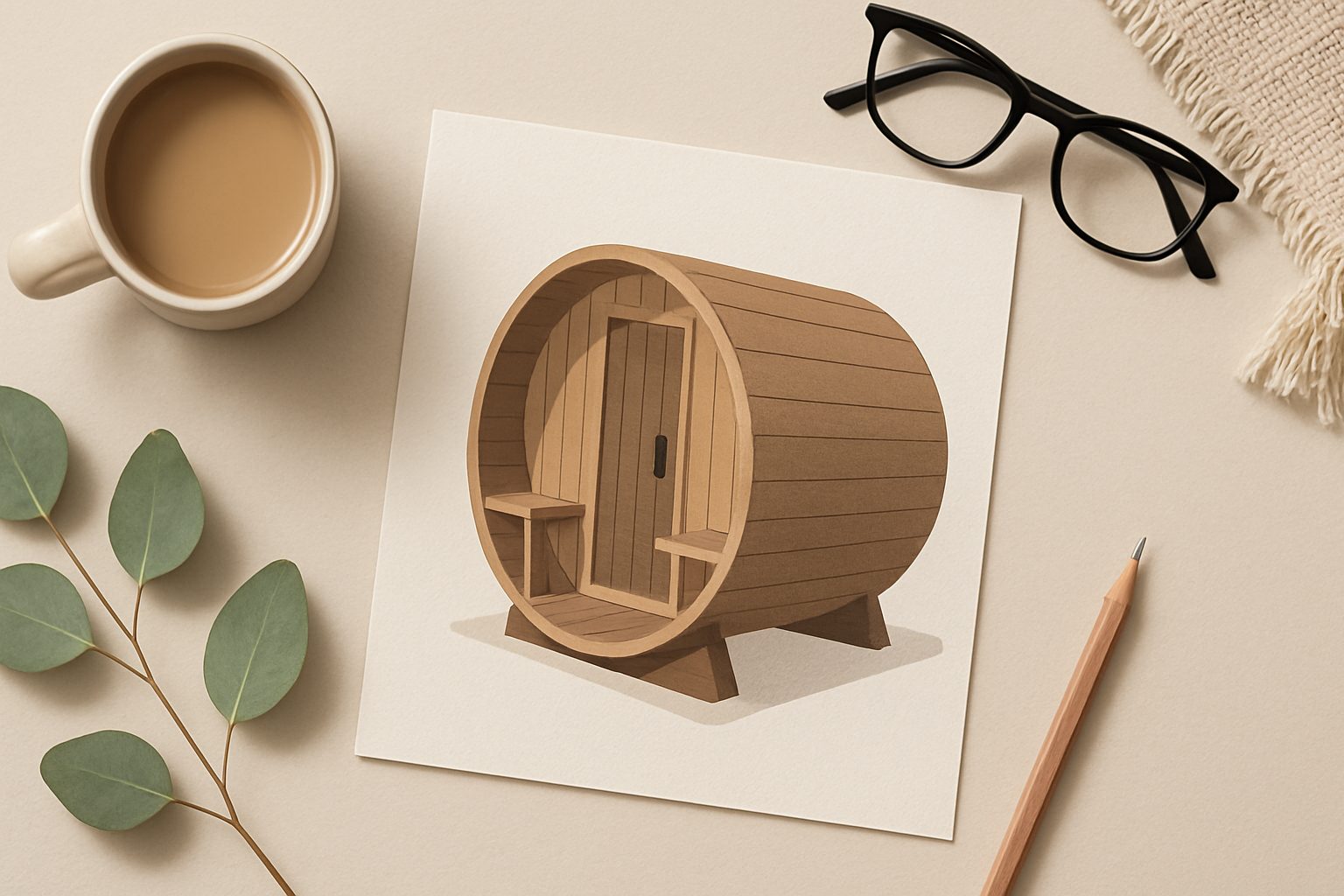
A barrel sauna is cylindrical, typically lying horizontally. You're essentially sitting inside a wooden log or staved barrel, usually 1.5–2 metres long and around 1.2 metres in diameter. The curved wooden walls wrap around you, creating a compact footprint.
A pod sauna is more angular, often rectangular or slightly domed, and tends to be taller and roomier. Some are traditional rectangular cabins simplified into sleek boxes; others are modern rounded pods that sit on the ground like a spaceship. They prioritise internal headroom and seating comfort over compactness.
This shape difference matters because it directly affects how heat moves, how much space you need, and how the sauna feels to sit in.
Heat Distribution & Sauna Experience
Here's where barrel saunas earn their reputation. The cylindrical design with curved walls means heat reflects inward from all angles, creating genuinely even temperature distribution. That's not marketing—it's basic physics. A heater in the corner of a barrel sauna radiates in a sphere; the curved walls bounce it back toward the centre, so you get consistent warmth whether you're sitting near the door or at the far end.
Pod saunas heat the interior too, but angles matter. Heat rises and can pool near the ceiling in rectangular pods, especially if ventilation isn't brilliant. You might find the bench cooler than expected, or hot spots near the heater. Many newer pod designs try to address this with better air circulation, but it's a design trade-off inherent to the shape.
That said, if you prefer a gentler, less intense experience, pod saunas often deliver exactly that because heat doesn't concentrate as dramatically.
Aesthetics & Garden Design
This is genuinely subjective, but it affects your decision if you care how your garden looks.
Barrel saunas look like, well, barrels. Some people love the sculptural, almost agricultural aesthetic—they fit rustic gardens beautifully and look distinctive. Others find them too quirky or dominating in smaller spaces.
Pod saunas are sleeker. Modern designs feel contemporary and blend more subtly into minimalist gardens. They're less of a statement piece, more of a functional addition. This matters if you live somewhere with strong design sensibilities or restrictive neighbours.
Space & Installation
Barrel saunas need less footprint but more height clearance for the curved roof. A typical barrel is 1.5m × 1.2m diameter, sitting roughly 1.5m high—manageable in most gardens.
Pod saunas often claim less space because they're more compact overall, but they're usually taller. A rectangular pod might be 2m × 1.5m × 2.2m high. That extra height can actually be the limiting factor if you've got overhanging trees or tight garden spaces.
Both are easier to install than traditional timber cabins. Most arrive as kits requiring concrete bases and basic assembly. If your garden slopes or has uneven ground, check the manufacturer's installation specs carefully—both types need level, stable bases.
Price Comparison in the UK Market
Barrel saunas typically start around £3,500–£4,500 for basic models with wood or electric heaters, rising to £6,000–£8,000+ for high-end, heavily insulated versions.
Pod saunas are competitive: budget versions start near £3,000–£4,000, with premium designs hitting £7,000–£10,000. The price varies wildly based on heater type (wood-burning saunas cost more upfront but save on electricity), insulation quality, and features like changing areas.
What matters: a cheap barrel isn't more economical than a cheap pod just because it's smaller. Both need proper insulation and a reliable heater to be worth the investment.
Maintenance & Durability
Barrel saunas with wood interiors need regular maintenance—sealing, checking for rot, managing warping. If you go with a wood-burning stove, you're also maintaining that. They're durable if treated well, easily lasting 15+ years, but neglect shows fast.
Pod saunas, especially modern plastic or composite varieties, require less maintenance. Hose them down, check seals, done. Traditional wooden pods need similar care to barrels. Electric heaters in either type are low-maintenance but cost more to run over winters.
Which One Suits You?
Choose a barrel sauna if you:
- Want the best heat distribution and most authentic sauna feel
- Have limited garden footprint but tolerate vertical height
- Value traditional aesthetics or distinctive garden features
- Don't mind some maintenance
Choose a pod sauna if you:
- Prefer minimalist, contemporary styling
- Want easier maintenance and modern convenience
- Have taller height restrictions than depth concerns
- Appreciate the roomier, less intense experience
Final Thoughts
Neither is objectively better—they're different approaches to the same goal. Barrel saunas excel at delivering concentrated, even heat in a clever footprint. Pod saunas prioritise comfort, ease of use, and contemporary design. Your actual choice should come down to your garden layout, aesthetic preference, and willingness to maintain wood.
Before committing, visit a sauna supplier or showroom if possible. The difference in how these feel to actually sit in matters more than any review.
More options
- Dundalk LeisureCraft Barrel Saunas (Amazon UK)
- Harvia Sauna Heaters and Stoves (Amazon UK)
- Sauna Bucket and Ladle Accessory Sets (Amazon UK)
- Outdoor Sauna Cover and Weather Protection (Amazon UK)
- Barrel Sauna Self-Build Kit (Amazon UK)